What we teach
By the end of grade 1, your child covers what Israel's, the USA's and Russia's math programs ask for.
The path, stage by stage
Tap a stop to see what the child learns there, then tap a skill.
By the end of grade 1 your child…
Numbers
- counts, reads and writes numbers to 120, starting anywhere, forwards and backwards
- sees a number as tens and ones, and compares numbers to 100 with <, = and >
- counts by 2s, 5s and 10s and continues a sequence
Adding and taking away
- knows the sums and differences within 10 by heart, and works within 20 by making a ten
- adds within 100 in their head: 46 + 7, 30 + 50, 10 more or less
- solves short story problems, and finds the missing number anywhere in 8 + ? = 11
Shapes
- names shapes to the decagon by their sides and corners, builds them from parts, and finds symmetry
Measuring and time
- measures in centimetres, reads o'clock and half past, and pays with coins up to 20
Data and logic
- reads and builds picture charts, bar graphs and tables
- sorts, tells true from false, and follows instructions of 2 or 3 steps
How we teach
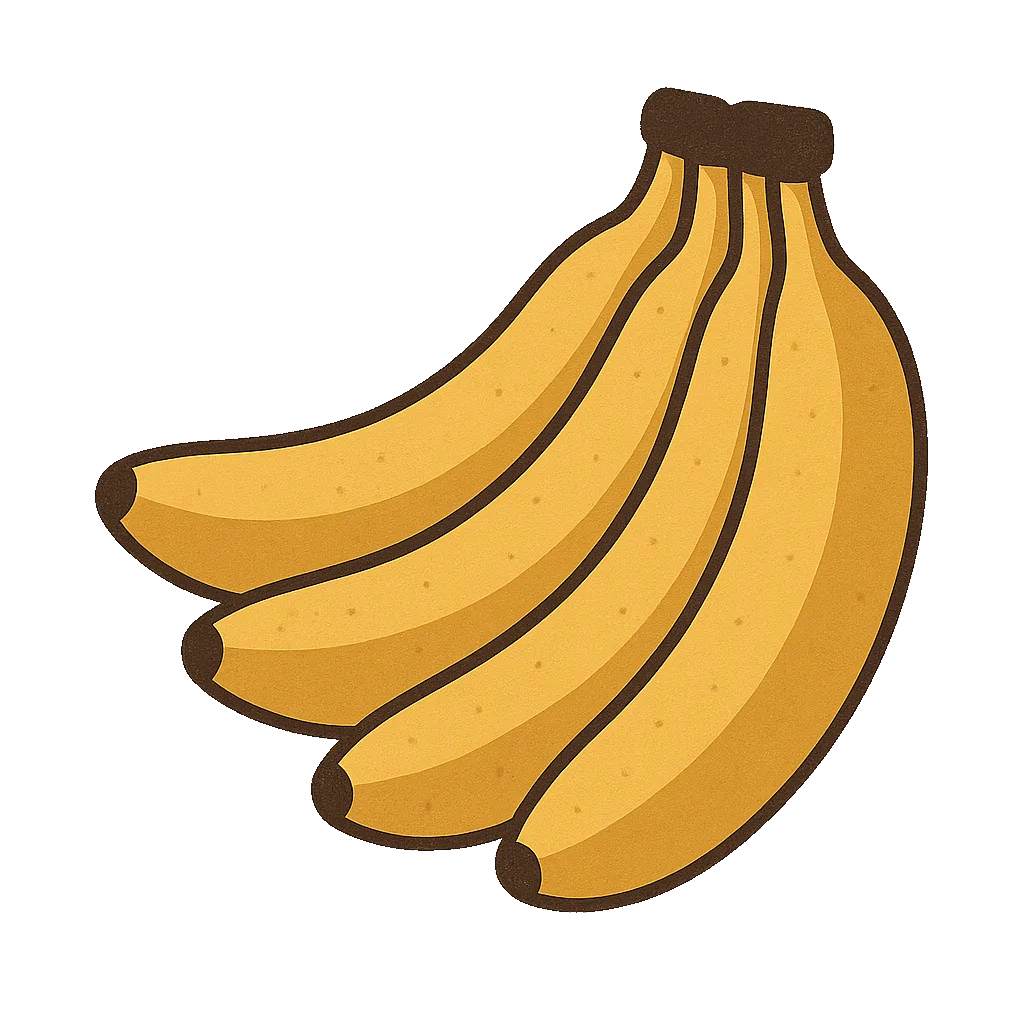
Objects first, then numerals
A number starts as fruit on a card the child can count. Later the same card shows the numeral.
Ten bronze cards make one silver card
Bronze cards are ones, silver cards are tens, gold cards are hundreds. Place value you can hold.
Hints fade as the child grows
At first a game shows the way; on later levels the hint is gone and the child does it alone.
A mistake costs a heart, a right answer always pays
Guessing doesn't win: every answer has to be thought through. Effort earns stars.
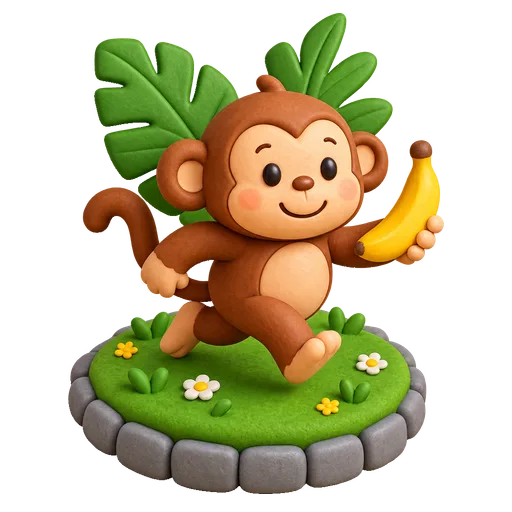
Every game is a short story
A character the child picks walks, catches and cheers, and reacts to every answer.